




Advertisement
Many of us have heard it countless times: wash new clothes before wearing them. But is this advice really necessary, or is it just another myth? While it may seem like a hassle, experts suggest that there are several good reasons to wash your new clothes before you slip them on.
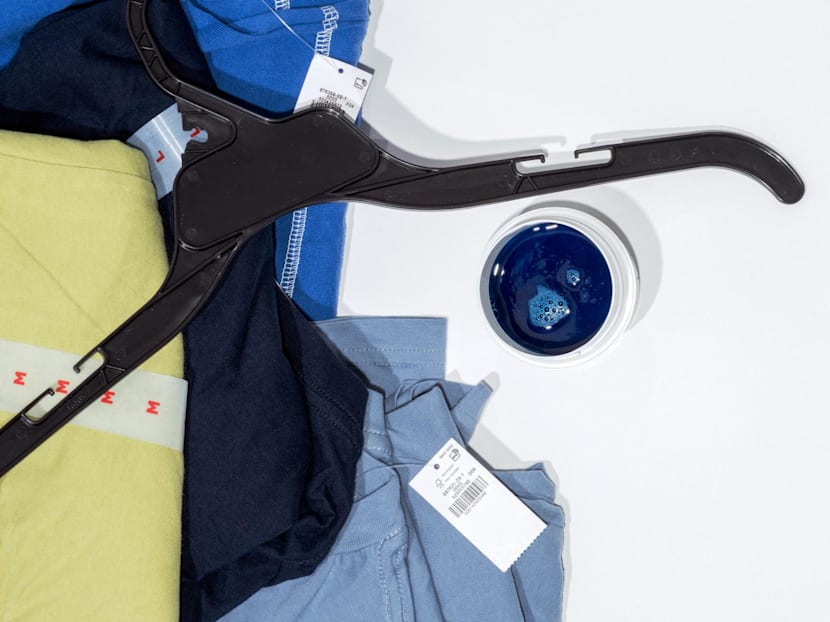
A TikTok post recently went viral after a woman shared images of her arms, legs, and face covered in hives, which she claimed were caused by wearing a new dress she bought online. Similar stories have emerged on Reddit, with people sharing experiences of developing itchy rashes and hives shortly after wearing new clothes. So, what's really going on? Let’s break it down.
Why Do New Clothes Cause Skin Reactions?
New clothes often contain a variety of substances that could cause skin irritation or even allergic reactions. According to Dr. Shamsa Kanwal, a dermatologist, fabrics may be treated with chemicals during manufacturing to improve their durability, prevent wrinkles, or make them resistant to stains and mildew. While not all of these chemicals will cause reactions, some common culprits include dyes, fragrances, and preservatives used in clothing treatments.
One such substance is formaldehyde, used to keep clothes wrinkle-free. Other irritating chemicals include pesticide residues (often found on cotton fabrics) and synthetic dyes, especially azo dyes, which are commonly used on polyester. These substances can lead to skin reactions such as itching, redness, or painful rashes, particularly for people with sensitive skin.
In a 2022 study, researchers in Spain tested various baby and toddler clothes and found formaldehyde in 20% of the samples. Even clothes labeled as "organic" can still contain these chemicals, making it necessary to be cautious.
Does Washing Really Help?
According to experts, washing new clothes before wearing them can help eliminate some of these potential irritants. A study by the University of Rovira i Virgili in Spain showed that a single wash cycle with cold water was effective in removing nearly all formaldehyde present on clothes.
However, not all harmful substances can be removed through washing alone. Many chemicals, like flame retardants or antimicrobial treatments, are designed to stay on the fabric even after multiple washes. For instance, activewear often contains treatments to prevent odor, but these chemicals can remain on the fabric and cause reactions, especially in sensitive individuals.
For clothes labeled dry clean only, steaming or airing them out might help reduce odors, but it won't necessarily remove more stubborn finishes like wrinkle resistance or stain treatments. In such cases, experts recommend wearing a thin barrier layer, like a T-shirt, underneath the new clothing.
When Should You See a Doctor?
If you experience a rash after wearing new clothes, it’s usually a case of irritant contact dermatitis—a red, itchy rash that typically appears within minutes to hours after coming into contact with a substance. This kind of reaction usually clears up on its own once the irritant is avoided, and no specific treatment is needed.
However, if the rash doesn't go away or worsens, it could be allergic contact dermatitis, a more serious condition that occurs after repeated exposure to a substance. This type of dermatitis can take a few days to develop and may include symptoms such as swelling, blisters, and tenderness. In this case, it’s best to consult a dermatologist.
Dr. Susan Massick, a dermatologist, advises not to scratch the rash, as it can lead to further irritation or even infection.
The Bottom Line: Should You Wash New Clothes?
While washing new clothes before wearing them might not be necessary for everyone, it can certainly help reduce the chances of skin irritation caused by the chemicals used during manufacturing. However, if you have sensitive skin or allergies, washing your clothes might just be the best preventive measure.
Of course, there are trade-offs. Washing may result in softer collars, duller colours, or slightly less vibrant patterns, but for many, it's a small price to pay to avoid the discomfort of itchy rashes.
Ultimately, whether you wash your new clothes or not comes down to personal preference. Just remember, if you do experience skin irritation after wearing something new, it's always a good idea to consult a dermatologist.
 Watch AD Unlock More
Advertisement


Advertisement


Advertisement


Advertisement