




Advertisement
Across Singapore, a new wave of modern bathhouse experiences is gaining popularity, offering a mix of hot and cold immersion, steam rooms, and relaxation pools inspired by wellness traditions seen in places like Korea and Japan. These facilities are designed around alternating temperature exposure, a practice often referred to as contrast bathing, and are increasingly being used by people looking for relaxation, recovery after exercise, and general stress relief.
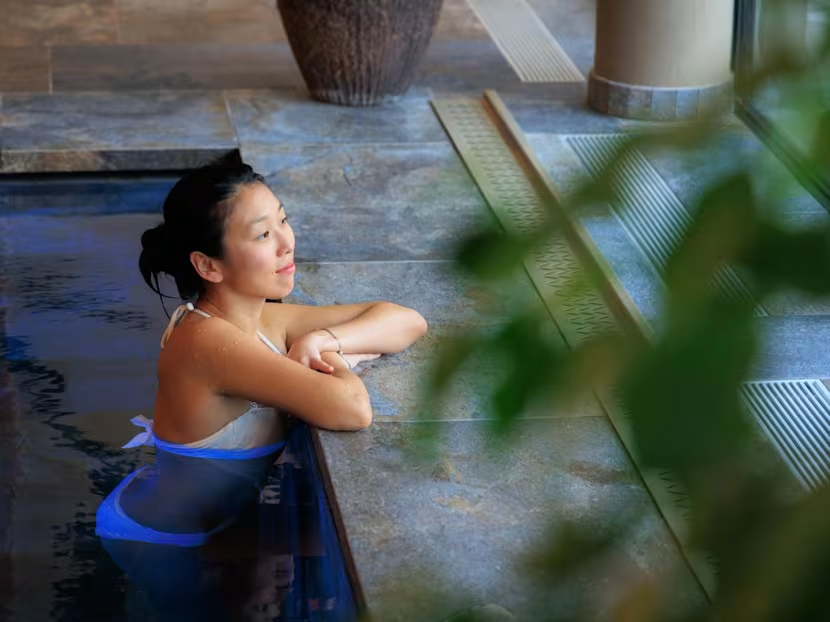
The core idea behind these experiences is simple: moving between heat and cold in controlled cycles. Warm environments such as saunas and heated pools encourage the body to relax as blood vessels expand, while cold immersion causes the opposite effect, creating a repeated “pump-like” circulation response. This alternation is believed to temporarily stimulate both alertness and deep relaxation systems in the body, which many users describe as a refreshed and reset feeling after each session.
Experts generally describe this process as a form of controlled physical stress. Short exposure to heat or cold can trigger temporary changes in heart rate, circulation, and nervous system activity. Heat tends to promote relaxation and muscle ease, while cold exposure can increase alertness before the body naturally returns to a calmer state during recovery. However, specialists also note that the key benefit comes from moderation rather than extreme temperatures or prolonged exposure.
Typical bathhouse environments feature a range of conditions. Heated rooms may range from moderate warmth to higher sauna-level temperatures, while hot pools are usually kept at a comfortable warm range designed for relaxation. Cold plunge pools, on the other hand, are significantly cooler and often used for short durations rather than long stays. Many facilities advise brief exposure times, especially for cold immersion, to avoid unnecessary strain on the body.
One of the most common questions is whether cold immersion is suitable for everyone. Current understanding suggests that most healthy individuals can participate safely with moderation. While some discussions online have raised concerns about specific groups, there is no strong evidence that controlled cold exposure has harmful effects for the general population when done appropriately. Still, those with existing health conditions, sensitivity to temperature changes, or concerns about circulation are encouraged to seek personalised advice before participating.
Another important consideration is the sequence of use. Many practitioners recommend starting with heat-based environments such as steam rooms or warm pools, followed by a short cold plunge, and then allowing the body to rest. This cycle helps the body gradually adjust rather than shifting abruptly between extremes. For those new to the experience, gentler alternatives such as lukewarm showers can offer similar sensations without the intensity of full cold immersion.
Timing also plays a role in safety and comfort. Heat sessions are typically kept relatively short, while cold exposure is often limited to under a few minutes depending on tolerance. Rest periods between cycles are equally important, allowing the body to stabilise before repeating the process. Overuse or prolonged exposure may lead to dehydration, fatigue, or dizziness, especially if hydration levels are not maintained.
Beyond physical recovery, many users turn to bathhouse experiences for mental relaxation. Warm environments are often associated with reduced muscle tension and a calming effect on the body, while cold exposure may provide a short burst of alertness followed by a relaxed state. Some people also incorporate these sessions into evening routines, as the gradual cooling of the body afterward may support better sleep quality.
However, specialists emphasise that more is not always better. Frequent or excessive sessions are not necessary to experience benefits, and moderation is generally encouraged. For most individuals, a few visits per week is considered sufficient, depending on personal tolerance and lifestyle needs.
As with any wellness practice involving temperature stress, there are limits. Individuals who are pregnant, have heart-related conditions, blood pressure concerns, or other underlying medical issues are typically advised to be cautious or avoid extreme temperature exposure altogether. Those recovering from illness or experiencing dehydration should also take care before using such facilities.
Bathhouse etiquette is another key part of the experience in Singapore’s shared wellness spaces. Users are expected to shower before entering communal pools or rooms, maintain hygiene, and be considerate of others in shared areas. Swimwear is typically required, and respectful behaviour such as keeping noise levels low and avoiding unnecessary reservation of spaces is widely encouraged. After use, a thorough rinse or shower is often recommended to remove sweat and mineral residue.
As bathhouse culture continues to expand locally, it reflects a growing interest in restorative wellness experiences that combine physical recovery with mental relaxation. While the science behind contrast bathing is still evolving, its popularity suggests a strong demand for structured, accessible ways to unwind in a fast-paced urban environment.
 Watch AD Unlock More
Advertisement


Advertisement


Advertisement


Advertisement